The Loss of Literature: An Analysis on “Literary Fiction”
When you stumble upon a book labeled “literary fiction”—what’s the first impression you have? In this blog post, I’m analyzing what “literary fiction” means in our modern world, and why this classification became both the death of and only remaining hope for literature.
Disclaimer: This post may include affiliate links. If you purchase through our link, we will receive a small commission at no additional cost to you. See our full disclosure policy, here.
Topics of Discussion:
What is “literary fiction”?
Art is subjective, but good writing is not.
Modern “literary fiction” vs. classic “literary fiction.”
Book analysis of one modern and one classic “literary fiction” novel.
We need more literary writing in all fiction.
What makes modern books worth reading?
15 great fiction books to read that are categorized as “literary fiction.”
What is literary fiction?
Before we explore anything further, it’s crucial to take a look into how “literary fiction” is defined in our modern society. These books are simply put—dramas; they are theme-oriented stories about life. The central focus of these narratives are their exploration of said theme(s) through a single character, often portrayed through lyrical/poetic prose; they may also utilize a metaphor to encapsulate the entire narrative. These books often experiment with form to express their theme. In the modern-day, “literary fiction” has become a term to classify books that embody these theme-centric, poetic prose qualities—whereas decades prior they were simply known as: “literature” or “fiction”. This classification became a hinderance to literary works in storytelling communities: it put them into a box. In my reading and writing experience, “literary fiction” goes beyond genre and beyond the every-day tale. Even though, we could use more real-life stories on the market today, “literary fiction” can and should be utilized in every story—every genre—because the term is actually about the way in which stories are written. Let’s dive into it.
First and foremost, It’s a marketer’s tool:
“Literary fiction” became a popularized term about 40 years ago to distinguish between the types of books publishers were selling: thus began the branching off into more genres for the commercialization of stories for higher production and profit. Alongside this shift, marketers emphasized the term “literary fiction” as a marketing tool to establish reader expectations. Those expectations of “literary fiction” are as follows: artsy and unique, doesn’t follow tropes, and character-driven versus plot-driven storylines.
And let’s face it, today, social media has changed the marketing game even more drastically, especially for independent authors. This term “literary fiction” isn’t going away—in fact it’s popping into algorithms as a keyword for readers who enjoy these types of stories. Even worse—authors have to categorize their books correctly if they want to query an agent properly. Indie-authors have to describe it with these phrases if they want to receive orders online. I’ve even had to utilize this reference when describing my novella: Winonna’s Rescue to “find my readers”.
Let’s dive into the details.
Books labeled “literary fiction” often have sentences that are more descriptive and poetic, forcing a reader to read between the lines and not just the words on the page. A writing skill that was once the norm is inherently lacking within the mainstream commercial—popular—contemporary—whatever you want to call it—fiction books today.
And readers understand this distinction, which is why more often than not, these books are turned away from by some. They are deemed pretentious, unpredictable, or too complex. The themes explored in these books are those in which some readers may not want to engage with because life is already hard enough, so why do we have to read about it, too?
But other readers are desperate for its return: this “genre” used to be what was popular and provided to the masses—a few books to name included, Little Women by Louisa May Alcott or most works by Charles Dickens. In fact, most of his works were published weekly, as if the audience were engaging with this form of media like today’s modern day tv-series.
And these works are still profound pieces of literature that we now revere as classics. Do you believe there are many classic pieces of literature in today’s era for future generations?
Art is subjective, but good writing is not.
The term “literary fiction” is more than a genre, and always has been. In the reading world, “literary fiction” is often seen as pretentious or flowery. But what this signifies to me is that these books explore theme poetically. Isn’t that the point of writing?
Every reader has their own individual opinion on tastes and preferences on the types of stories they enjoy (or don’t enjoy) reading. But when it comes to the writing itself—be that poetry imbued into the prose, or clear and well-paced sentences—good writing is objectively obvious.
I’ve read a lot of new contemporary (commercial) fiction, and the standards for writing quality have simply lowered. This statement is not an opinion—it’s a fact. We don’t have to write like Charles Dickens by any means, but we must have standards.
To name a few modern examples: ACOTAR by Sara J. Maas, Book Lovers by Emily Henry, The Housemaid (#1) by Freida McFadden. And many people LOVE these books because they are entertaining, but I encourage you to revisit the quality of writing, and then check out the next book I’m showcasing below. Compare not the stories themselves, but the quality of prose, storytelling, literary devices, the emotional resonance, etc.
The book we’re analyzing below is the perfect example for the vague categorization that is “literary fiction”. It’s not just a genre, (although, today, it also is) but it blends into other genres, signifying that it’s more about the writing style. There are a ton of great books that have both the throughline of literary writing and epic storylines, but they’re often blended genres. For example, The Lord of the Rings Trilogy by J.R.R Tolkien? Classic Literary High Fantasy. (Keep reading for a literary fiction book list showcasing exactly what I mean at the end of this article.)
This modern-day author portrays both depth with theme, and beautiful prose.
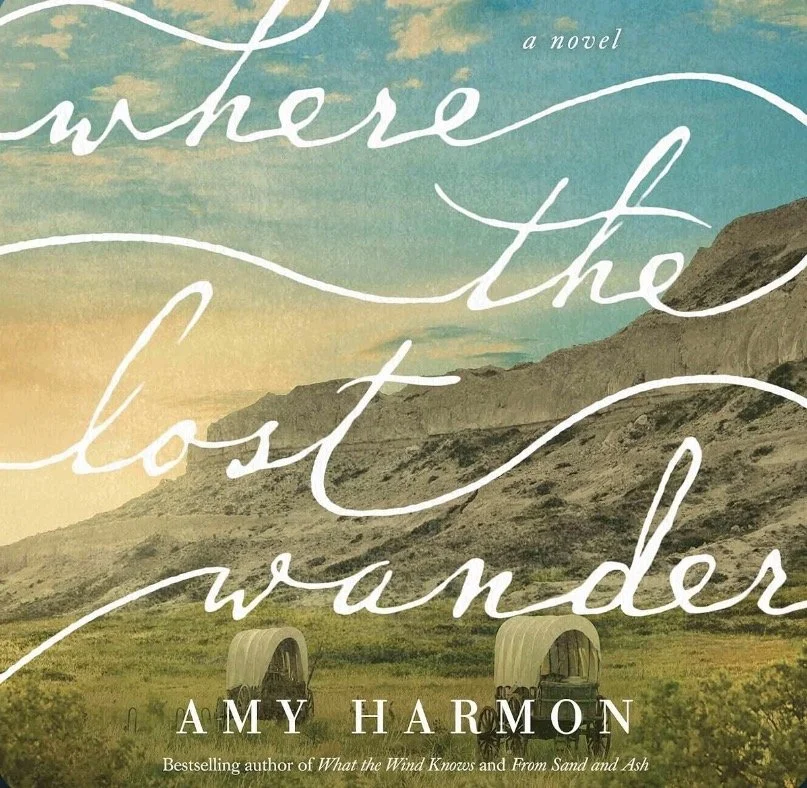
Where the Lost Wander by Amy Harmon | Brilliance Audio, 2020
Amy Harmon is a modern writer. She wrote “Where the Lost Wander”. It’s a historical fiction novel, but it’s also labeled “literary fiction” on Goodreads. Why? Because her writing style is lyrical, and the themes she explores are the glue holding the entire book together—they expand her characters, the world, and the plot. This book isn’t to necessarily entertain, it’s to take a reader on a journey of overcoming adversity.
And ultimately, literary books often explore struggle and the human condition on a profound level that today some readers simply don’t want to engage with. So instead, the market floods us with the next distraction, instead of something that takes comprehension and uncomfortable feelings. Storytelling has always been to share a message on how to get through life’s adversity. From Hansel and Gretel to Anne of Green Gables to The Great Gatsby.
Truthfully, when I finish reading (most) commercial fiction books, I often feel as if something is lacking. And I’ve finally discovered what that is: meaning. Sadly, majority of the time, I walk right into a classic book after reading one because I need something of substance.
Storytelling is meant to explore deeper truths about life through fictional characters so that we may not only understand why we exist, but how to get through life’s struggles. “Literary fiction” explores questions that may feel uncomfortable, such as: why does death exist? What are the varying shades of grief? Where do we come from? How do we remain faithful when the world seems so cruel? How do we forge real love? How can we be a nurturing parent? Why does addiction exist? This list goes on…
These themes don’t have easy answers. They may not even have answers, but the journey to try and understand these struggles is why storytelling exists. A writer is meant to impart what they’ve learned about them through the story’s themes. This wisdom is often given to an artist (really all humans) through pain and suffering. That is the nature of life on earth. And readers come to read a perspective—through characters—of these difficult aspects of life because they are going through them, too. This is what makes storytelling beautiful. It’s because we are all connected through struggle. And we feel less alone within struggle when we are connected. Storytelling heals, inspires, and connects humanity. Storytelling reminds us of why life is meaningful, and why it’s admirable to seek beauty, despite the pain.
Modern Literary Fiction vs Classic Literary Fiction
Truthfully, not all modern “literary fiction” is good either. And this is where storytelling moves into the cultural problem, and not just the lack of writing style. The desire to search for meaning has declined, so the decline in writing meaningful stories naturally followed suit. Another piece of that puzzle is that when a modern author imparts themes they believe are meaningful, they’re often cynical, full of propaganda, and lack the pursuit of beauty. (Another reason—maybe even the main reason why readers don’t want to read these “literary fiction” books.)
But, it’s time to reclaim stories. It’s time to reclaim the search for meaning.
I’m going to bring to light two books that are (based on basic definition within society) “literary fiction”. One is modern while the other is a classic. As we analyze the two stories, notice the difference within the depths of meaning between them.
“Stone Yard Devotional” by Charlotte Wood. I’m choosing this particular narrative because this book is exactly why “literary fiction” receives the stigma it does from readers—not because it has a lyrical writing style or theme, but because of its lack of meaning. To demonstrate just how far society has declined, I want to mention that this book was shortlisted for “The Booker Prize” in 2024.
Book Analysis Modern Book: Theme, Character, and Plot
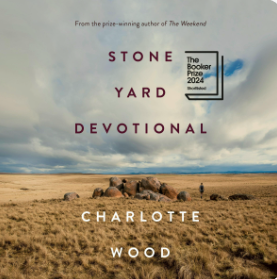
Stone Yard Devotional by Charlotte Wood | Penguin Audio. February 11, 2025
Summary: Stone Yard Devotional is a story about an atheist woman who ventures to a convent in rural Australia to get respite from her home-life. There, she wrestles with forgiveness and unresolved grief in her isolation.
Book Analysis: While this story promised exploration of deeper truths from the blurb, I walked away from this book feeling—empty. The story was strung together by the interiority of a character who doesn’t grow. A character who doesn’t actually explore the themes initially promised in a meaningful manner. The main character goes to a convent, but doesn’t seem to take anything away from the experience that is profound to her on a personal level, or universal to humanity for the reader. The lack of plot made this book meander in the worst way. If the character was insightful, it wouldn’t have felt like a chore to read, but again, because there is no meaning, there is no insight.
But this dives into the even bigger problem with modern day storytelling: this book wasn’t written to explore the depths of the themes from the blurb. In reality, it is a propagandist tale on environmentalism, why capitalism is a problem, and other modern-day political, religious, and social topics.
If the woman had befriended a nun and they sparred on the themes (grief, religion, forgiveness) this book could have been so much more insightful and enjoyable. But this character would never do so, and the nuns would be too religious. (This false reality is a disservice to readers who seek meaning and insight.) However, it’s no surprise that the book lacks objectivity and duality of perspectives on the aforementioned themes, otherwise that would mean writing with empathy on topics the author doesn’t believe in.
Book Analysis Classic Book:
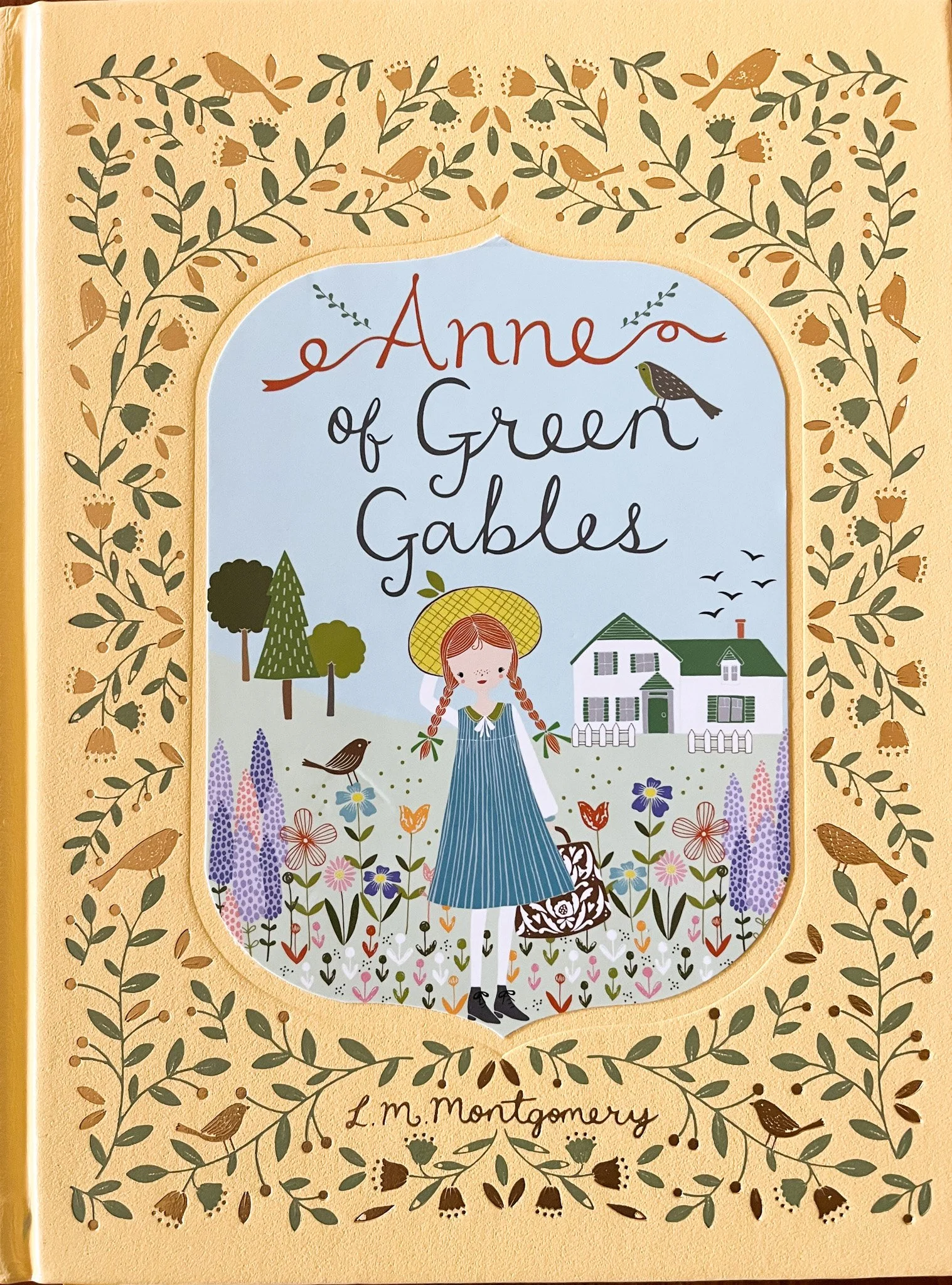
Anne of Green Gables by L.M. Montgomery | 2016 Sterling Publishing Co., Inc
Anne of Green Gables by L.M. Montgomery | Audible Studios November 22, 2016
Summary: An aging brother and sister seek help on their farm. They request adoption at an orphanage, eager to get a young boy, but instead, little Anne Shirley shows up on their property. She is a good-hearted orphan seeking to be loved and find a real family. This optimistic young girl transforms their lives by teaching everyone around her the true meaning of love.
Book Analysis: This novel is technically a children’s book, but the themes and prose are so profound that anyone could read it and learn what it means to truly love through Anne’s perspective. Is her journey to be loved easy? No. But we learn how to love through Anne’s search for it, and we learn how her half-glass full perspective impacts others lives who struggle to believe and see the meaning/beauty within life.
We explore what it truly means to love someone despite their flaws—despite their mistakes. We get to explore the beauty of the world and the people within it because Anna is a thoroughly fleshed out character who’s personality echoes through the pages. She’s defined by the themes and the themes are defined by her. Therefore, the reader can view the world the way Anne did, and they may glean into what it means to believe in beauty through her perspective.
And despite Anne’s past—despite coming from an orphanage and not initially accepted by her foster parents, she still choses to see the light because she believes in hope. This is at the core of what we are missing today: stories with characters who believe life is meaningful.
L.M. Montgomery also utilized such profound and lyrical prose to portray the very essence of Anne and the themes of the book. This story will bring you to tears in every way—you could grab any paragraph within this book and find meaning.
We need more literary writing in all fiction
“Literary fiction” has become one of my favorite book categories to read and write. I fell in love with it because of classic literature. Hemingway and Fitzgerald first taught me how to capture difficult real-world themes within my words like no other author ever has. Wilde and Shelley showed me how to imbue literary writing into narrative in stylistic ways. And combined, all of these authors have shown me what storytelling means. These stories are about people, suffering, and overcoming adversity—whether that’s in the middle of war and love during the Jazz age, or through a monstrous metaphor. They all showcase meaning poetically.
“Literary fiction” expresses various metaphors, experiments with richer descriptions, and have motifs that connect throughout the entire book. These are storytelling elements all books need for a layered reading experience.
We need writing like this again—everywhere. Not just for adults but for everyone, and every genre. And much like Anne from Anne of Green Gables, maybe by doing so, we can bring meaning to others who are hurt. Like Anne. She needed it. People need it. We need it. And that’s why we write: to remember that despite our suffering, there is meaning, and to have faith to hold onto it.
Inspired side note: With all that said, I’m putting together a new digital product for writers—all writers. You could be writing any fiction story to use this upcoming workbook. This digital product is going to help you discover your book’s theme. It seems that—some writers today—don’t understand what theme is, or how to utilize it within their novel. This new writing tool will help you to uncover the true reason why you’re writing a book, and your readers will love you for exploring it.
Join the waitlist »
What Makes Modern Books Worth Reading?
The publishing industry is changing, and the catalyst was independent authors. As readers today, we can’t entirely trust every book on the NYT Bestsellers List, or a book praised by a prize as we witnessed in this analysis. It takes research—at least that’s how I’ve been choosing books, because I’ve been burned many, many times. And of course, this does not apply to every book. Nor does it apply to every author. But, indie authors have changed the publishing landscape. By choosing to take over creative control of their narrative—aka some of them are actively choosing to bring meaning back into storytelling—they are part of the reason literature will survive. And publishers want a piece of the pie because at the end of the day, they are a business. So they have started to “pick up” indie authors, instead of staying away from them like they did at the rise of independent publishing. And of course, publishers have found some great authors. And great books are still out there—they’re just harder to find. Truthfully, the book industry isn’t that different from the film industry. Hollywood is dying. And the old way of publishing is on its way next.
In conclusion, meaningful literature still exists. But, we must seek it out. So, dear reader, I implore you—the next time you reach for a book—pick up a classic, or begin your search for more literary works that promise stories with meaning. They are out there, and they just might be the next book that inspires something great in your life.
15 Great fiction books to read that are categorized as “literary fiction”
8 great modern “literary fiction” books to read
A Thousand Splendid Suns by Khaled Hosseini (Drama about love, faith, and family.)
What the Wind Knows by Amy Harmon (A magical realism, historical, and literary fiction novel.)
Remarkably Bright Creatures by Shelby Van Pelt (A magical realism literary fiction novel.)
The Nightingale by Kristen Hannah (Another historical fiction literary fiction novel.)
Midnight at the Blackbird Cafe by Heather Webber (A magical realism literary fiction novel.)
Other Birds by Sarah Addison Allen (A magical realism literary fiction novel.)
The Collected Regrets of Clover by Mikki Brammer (Drama about grief.)
The Reading List by Sara Nisha Adams (Drama about friendship and grief.)
7 great classic “literary fiction” books to read
Anne of Green Gables by L.M. Montgomery
The Old Man and the Sea by Ernest Hemingway
The Great Gatsby by F. Scott Fitzgerald
Little Women by Louisa May Alcott
The Secret Garden by Frances Hodgson Burnett
The Picture of Dorian Gray by Oscar Wilde
Where the Red Fern Grows by Wilson Rawls
Happy reading!
Serena