Where Did All the Heroes Go? The Lost Art of Writing Heroic Characters
Heroes have always inspired the masses; they liberate our perspectives and help us believe in the impossible. A hero reminds us that there is goodness in a world shaded by shadows. They evoke a spiritual strength within us, so we may embody the essence of a hero to better our everyday lives. However, it seems that we’ve lost the true meaning of heroism in a world that’s mostly writing about anti-heroes. In this article, we’re showing you how to write a heroic character in the modern age. Grab a cup of coffee, a notebook, and dive in!
Disclaimer: This post may include affiliate links. If you purchase through our link, we will receive a small commission at no additional cost to you. See our full disclosure policy, here.
Topics of Discussion:
What makes a great hero?
The rise of the anti-hero
Qualities of a hero
How to write a compelling hero
Hero archetypes
What makes a great hero?
A hero consists of one element that sets them apart from other characters: morality. Your protagonist will have a sense of right and wrong, and follow that throughout their journey. Readers typically discover the character’s beliefs at the beginning of each story. Before you write anything, find out what your hero believes in. That is their compass. As the writer, you must know this before diving into the story because it connects to everything: the theme, plot, characters, etc.
What does your hero believe?
A hero is typically chosen to fight against an evil force. This has been known as the chosen one trope, a hero that’s often meant to fulfill a prophecy to defeat evil. However, most heroes are chosen to some degree, whether that’s by God, or their morality—most often it’s both. Your hero steps up to the plate because they feel a moral duty to do so, despite the burden it brings upon them. And the fact that they fight it anyway, (after some begrudging actions and feelings about it, of course) is exactly why your character is heroic. It’s as if this dilemma was set up specifically for them because of their beliefs. It becomes their destiny.
Hero Example: Captain America
Steve believes in humanity and liberty. He’s always protected those values, even when he didn’t have the abilities to do so. Once his body was manipulated into a super soldier, he continued to follow this moral responsibility and blossomed into the leader he always was.
There’s a powerful line in the film, not in the 1965 novel Dune, which is given by Paul’s father, Duke Leto, who is a tragic hero (though his son turns out antagonistic).
Duke Leto says, “A great man doesn’t seek to lead; he’s called to it.”
This line is the very essence of heroism. Heroes don’t seek the limelight, but they take up the mantel because it’s their moral responsibility to fight for goodness—they feel a need to protect it.
Hercules is the same; it was written in the stars that he would be a great hero.
Do you want to write a compelling hero?
Now that we’ve established what makes a hero, we’re excited to share an upcoming digital product launch!
This product is for writers who want to write a true hero. The writing tool is compatible for both fantasy and literary fiction.
Join the waitlist to find out when it’s live and how you can get it.
The rise of the anti-hero
I don’t know about you, but within the last handful of years—to the last decade, the rise of the anti-hero flooded narrative. These stories can be found in film, TV-shows, or books. This trend has become particularly popular in fantasy. However, this statement can be applied across all fictional genres, especially within the mainstream media.
Where did all the heroes go?
Our heroes have disappeared for a handful of reasons, but the mainline of this decline in heroism is due to the changes within our culture. This YouTube video breaks this down from a powerful anthropological viewpoint.
However, we may have felt this shift within a generation. With the rise of YA supernatural creatures becoming desirable, think: Twilight, this trend unlocked the rise of the anti-hero. Now, we practically see it everywhere:
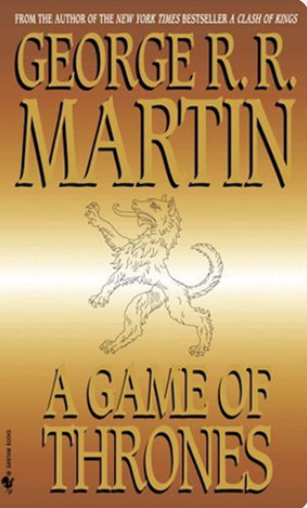
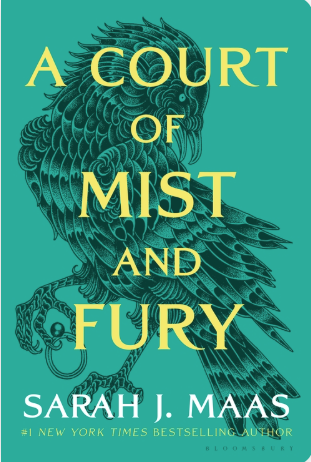
This isn’t to say that you should stop writing anti-heroes, there are certainly some compelling characters, such as Thomas Shelby in the BBC television show, Peaky Blinders.
compelling anti-heroe example:
Thomas Shelby is the head of a family gang in post WWII England. He starts out as an anti-hero because he and his family carry out heinous crimes to further their power. As the story goes on, that power becomes greater and so does the darkness within achieving it. As Thomas climbs the political ranks, his perspective shifts when he witnesses the rise of fascism. The Nazi’s are ready to take over and he sees the pure evil within it. Therefore, he turns towards a more positive heroic character arc to fight against it.
Here’s why: At the start of the series, Thomas just came home from WWI, which left him traumatized in many ways. On his way to power, he discovers just how dark the world can get when he’s caught within the rise of WWII. It’s become a bridge too far and he can’t fathom another war; if he can stop the tyranny, he will do so, even at the expense of what he built. Overall, his story is one of an anti-hero, despite the few gray areas within this story that make him heroic.
Another reason this trend seems to be on the rise is that writers are wanting to make their characters more flawed but narrowly misunderstand this concept and thus, create a multitude of anti-heroes. This isn’t to say that all anti-heroes are unintentional. Some writers do want to create an anti-hero, but what about the writer who doesn’t? What about the writer who wants to craft a classic hero—a hero like those they looked up to as readers.
In the modern age, those writers aren’t seeing stories portrayed by the true hero archetypes anymore, so they have no other choice but to simply turn to those written decades prior. So they do.
Those books are still as fulfilling as they’ve always been; beloved classic heroes that fueled people with hope and inspiration. Those of which were characters like Frodo and Aragorn from The Lord of the Rings, or Harry in the classic series, Harry Potter. We also saw this from Belle in The Beauty and the Beast and Hamlet in Shakespeare’s play. These characters taught people what it meant to be selfless and brave for others. They showed us why it’s honorable to fight for a greater good.
It’s clear to me that heroes have essentially disappeared from modern-day storytelling altogether (and I don’t believe I’m alone in this sentiment). When was the last time you read a new modern epic fantasy that was led by a true hero, especially in the mainstream media? (I’m not talking about beloved characters that have been written for decades that are being rehashed and remade; I’m referring to a NEW hero.) I would argue that our culture is dying for a memorable heroic character — I know I am.
This article is for writers who still believe in heroes, but feel lost amongst all of the anti-heroes. Let’s resurrect the heroic character together.
What Qualities Does a Hero Have?
As I mentioned, heroes are charged with a moral compass that guides them on their journey, despite their fears and flaws. Heroes are flawed. You don’t need to write an anti-hero to make a relatable hero. In fact, I believe that for decades, plenty of heroic characters were relatable through their flaws. However, their flaws never compromised their morals, and that’s the difference between a hero and an anti-hero.
Yes; heroes will have universal flaws, but they don’t have to be a tortured soul for you to make them a compelling, or relatable character.
How to Write a Compelling Hero
Now, there are a handful of archetypes you may find on the internet, but those tend to overcomplicate the writing process and can be easily broken into fewer groups. I’ve done a ton of research on these characters and discovered that they all boil down to four types of heroes. Choose the hero that best fits the kind of story you’re telling. Remember: all heroes fight for good against evil, but they have varying shades on how they go about doing so. These four characters are the only heroic archetypes you need to understand to write heroes in literature.
Hero Archetypes:
Epic Hero: The Herculean or Arthurian hero. Humans who serve a higher power (God) and do right by the innocent, no matter the cost. These stories are most often epic fantasy’s that lean into biblical metaphors, history, legends, and monarchies.
Superhero: Batman or Captain America, these heroes protect the innocent with their abilities and resources. You can typically find these heroes fighting crime within society.
(These first two are nearly the same, however they are in two different categories because the latter tends to have supernatural abilities.)
Everyday Hero: Katniss Everdeen from The Hunger Games. A hero who may not have magical abilities but is brave and becomes a leader to overcome societal oppression that’s encroached upon them or the people they love.
Tragic Hero: Hamlet from Hamlet. A hero who lives by their moral code but the environment they live within destroys it, and ultimately, destroys them.
If you’ve research this topic, you’ll come across the anti-hero as an archetype of a hero. However, as I mentioned, the anti-hero isn’t a hero (the title within itself expresses that), yet we’ve been consuming stories as if they are heroic. Anti-heroes aren’t heroes because a hero fights evil for the greater good, whereas anti-hero’s compromise goodness for evil, even if that evil is for their own selfishness, which is a common theme. I classify these kinds of characters closer to villains than heroes because the four hero types above fight evil for others, while an anti-hero is self-serving.

With all that said, let’s write some heroes!
Remember: your book will shine your light into the world. A light that someone needs — even if it helps them feel less alone within this vast existence. Heroes remind us of that light.
Now, it’s time to join the waitlist and find out when our digital product is released. We can’t wait to help you write compelling heroic characters.
If you need help honing that luminous spotlight in prose, get in touch with us for book coaching or editing services. Together we will bring to life a story you’ll be proud of; one that will stand against time.
RECAP:
We’ve covered how to write a hero and the fundamentals of heroic characters. We discussed why the hero has fallen in modern literature and how we can bring it back through the four archetypes.
So what’s next?
It’s time to take up your pen and write; someone somewhere out there needs to read your heroic words.
Happy writing!

What to read next:
For more character creation blog posts…