Set Writing Goals: An Author’s Guide and Planner
Setting writing goals for a new year is exciting but can easily become overwhelming. One of the most common challenges people endure is overbooking themselves, turning goals into a hindrance rather than liberation. Why? Because they weren’t realistic with their timelines at the outset. So, by the end of the year, they have nothing completed and are left feeling like failures.
But this year, we’re started out strong.
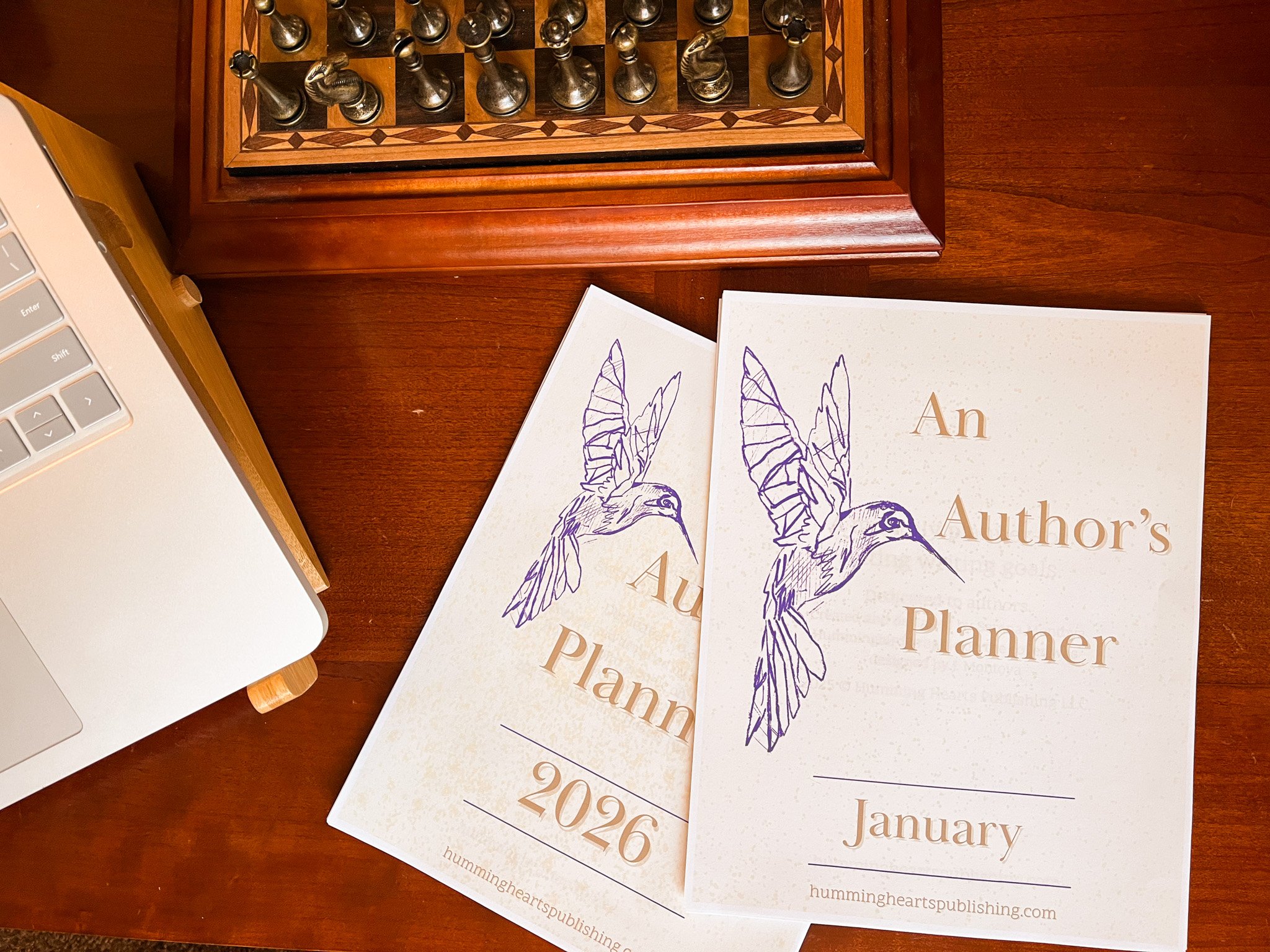
As book coaches and fiction editors, we are helping you set writing goals that are attainable with our free guided monthly printable planners. When you subscribe to our newsletter, you get a new planner sent to your inbox every month. These planners ensure you’re making time for your writing by assisting you through the process.
You will also receive one larger printable planner that covers the entire year, helping you map out the big projects and deadlines. We guide you to ask the right questions about your storytelling through the writing, editing, and publishing processes.
It’s time to finish projects—to make goals that align with the life you envision. Let’s dive into how to set writing goals and how you can snag the first planner in this free book coaching email program.
Disclaimer: This post may include affiliate links. If you purchase through our link, we will receive a small commission at no additional cost to you. See our full disclosure policy, here.
How to set writing goals
Be realistic
Write it out in a planner or journal
Make big goals and small goals
Create a milestone reward system for achievements
Don’t set too many big projects throughout the year
The beginning of a new year feels like a blank canvas, unlimited possibilities alive at your fingertips.
It’s time to make some new writing goals. But this year, let’s find a balance between loading up your calendar with exciting new ideas, and attainable goals that will fit your lifestyle. We want you to achieve all of your plans, but you can’t do everything all at once. You must maintain awareness and presence within our personal life to make realistic and attainable writing goals.
This author’s guide for setting writing goals was designed to plot out your writing, editing, and publishing plans within a given year, while maintaining momentum through the monthly planners. They are meant to help you achieve your goals without burnout or overwhelm.
So, let’s dive into what makes attainable goals:
1. Be realistic
The first thing to keep in mind when setting writing goals is to make them realistic. This is where most people fail and why it’s at the top of this list. Everyone wants to cram too much onto their schedule because it’s exciting to plan, but they don’t consider their personal lives. They overbook and become overwhelmed, ashamed when they can’t complete their to-do list. The fundamental aspect of being realistic means to allot the proper time from all angles of life and creativity to achieve said goal.
Scenario 1:
Do you want to publish your first novel? Great! That’s a wonderful and exciting achievement. Next question: have you written the book? No?
Don’t panic.
But be realistic. Instead of rushing a novel to publication that you haven’t written, edited, formatted, etc. Your goal needs to be this: write the book. Set a publishing goal for the following year. This may not be ideal, or what you want, but here’s the truth: writing a book takes years. The problem so many authors face is that they put an immense amount of pressure on themselves and their art because of a goal that isn’t realistic.
Without giving your craft the proper gestation, you will become stressed, or even unhappy with the final product. And after all the time and effort you put into writing your novel, you must give it the care and respect towards publication that it deserves.
Scenario 2:
Have you written the book? Great! Have you hired an editor and gotten beta reader feedback? No?
Okay. That’s your new goal this year. You could plan editorial reconstruction in the first half of the year and publication in the second half. But remember to give yourself the proper time it takes to accomplish these tasks.
How much time do you want beta readers to read your novel? 2-3 months? Okay, plot it out on the calendar. How much time do you need to revise their feedback? 2-3 months? Okay, plot it out. As you can see, we’re already halfway through the year. Art takes time. And that’s the way it’s meant to be, so do your best to remain patient with yourself and the process.
Have you hired an editor? Plot out how much time you need to research and contact editors, then see what their availability is. Honestly, I’d start this process while your beta readers have your book. Finding the right editor takes time and research, it also requires scheduling a date that works for them as well. They could be booked out for months. But once you’re on the schedule, you have a concrete deadline, and now you can rework beta reader feedback with ease, knowing you get to send your book to a professional editor on a specific date. If your book isn’t in your editor’s hands until the second half of the year, that’s okay! While you’re waiting, contact a cover designer. Plan it out.
Personally, I’d dedicate 2-3 months for each step towards the publishing process because life happens, things come up, schedules change, people get sick, visions don’t align, etc.
Ensure you’re realistic with your writing goals based on your personal life as well. Do you have a family vacation planned that month? Do you have a wedding to go to? Are you in the holiday season? Build buffers within your planner to avoid setting a deadline when you physically cannot make it.
2. Write it out in a planner or journal
Now that your mindset is set straight, it’s time to get a planner or journal to plot out your year. That’s where our new email program: An Author’s Planner comes in. We help you track your progress and ask you fundamental questions about your project. We keep you accountable, like a book coach, by following an upward trajectory to completing your goals.
Our staff designed this planner to help you set and achieve your writing goals month by month. When you sign up for our newsletter, you get a guided planner directly sent to your inbox every month. We are going to keep each other accountable this year. It’s time to finish your book!
Writing down your plans keeps you accountable because you see the progress (or lack thereof) in real time. Also—this is an extra step—but it truly fuels your dopamine: write down how much time you’ve dedicated to your writing. I personally love to track progress this way because sometimes I handwrite, or I’m outlining and not necessarily working directly in the manuscript. When I write down how much time I’ve dedicated to my craft, I see the outcome more clearly. I feel closer to completing my goals. You can still choose to make it word count based, either way, I find that tracking builds momentum. It also reminds you that there is light at the end of what may feel like a never-ending tunnel. You will find both options available within the new planner.
Writing a novel is often a lonely endeavor and it’s a huge undertaking. This program helps remind you that there’s a community cheering you on. Because we are!
3. Make big goals and small goals
Set big writing goals and small goals. Often, we look at the big goals and feel overwhelmed. Create small goals throughout the year because they are quicker to achieve. You must remember all of your wins, big and small. This will keep you steadfast throughout the year.
For example: Say your big goal is to finish the first draft of your novel in May. The smaller goals may be how many hours/words you need to write within a day/week/or month to attain that goal. It’s up to you how you customize this process, but doing so gives you motivation to keep moving forward.
4. Create a milestone reward system for achievements
To continue from the point above, get yourself a treat or an indulgent night off. Watch one of your favorite movies with a loved one. Don’t just reward yourself for the big achievements but the small ones—especially the small ones! I’ve often skipped this step in my writing career. I didn’t celebrate the small wins. I would quickly move on to my next task, which ultimately left me unfulfilled and burnt-out. You need to give yourself love through the process towards achieving your goals. Doing so will make you joyfully motivated to keep going, versus stressfully finishing the next thing, and the next, and the next. It’s a toxic cycle that you must avoid.
5. Don’t set too many big projects throughout the year
Having too many big projects in one year will lead to burnout. So much so that by the time you get to the end of the year, there’s nothing finished. Personally, you don’t want to exceed two to three big launches.
For example: Your big goals may consist of: Launching your website, publishing your first novel, creating a Kickstarter campaign for your novel, or launching a shop for your book(s). These tasks take months to complete. You never want to exceed three, and I would include personal events as big projects. For instance, if you’re having a new baby and trying to publish a book within the same year, I would not add a third major project. Keep the rest of your goals small and attainable—remember, you’re human!
Now that you have a plethora of ideas swirling around in your brain, it’s time to set a writing plan this new year. That's why we have something special for you!
We’ve created two planners: one for the entire year and twelve smaller packets that will get sent out each month as a monthly email program.
Think of me as your writing coach. These planners are goal-setting author packets, so we can stay accountable this year. ✒️📖✨
What you get: An Author’s Planner
A planner for the entire year! This printable planner guides you through your writing, editing, or publishing goals!
A monthly printable planner gets sent to your inbox, so you can start plotting and achieving your writing goals, month by month.
Bonus: If you’re writing the first draft of a novel, we have a companion novel planning workbook available for download as well. It's a free 60-page planner, designed for fiction works so you can outline and write a first draft.
If you have any questions about this planner, or would like to speak with a book coach, schedule your free consultation call today. We would love to work with you towards planning and completing your writing goals this year!
Happy writing!