A Guide: How to Write Female Characters with Femininity
Femininity seems to have disappeared from literature with the rise of the strong female character. This new archetype of feminism doesn’t actually reflect a strong female, but its inverse. These women tend to be abrasive, cold-hearted, and often— masculine. So when I reference the term, strong female character, I’m not speaking to its newest portrayal from the past decade, but its true meaning. I’m not going to define what femininity is, instead, we’re going to analyze it the best way that we storytellers can; we are breaking it down through literature. Let’s rediscover how to write female characters with femininity. Grab a cup of coffee, a notebook, and dive in!

Topics of Discussion:
List of Strong Female Fictional Characters From Literature
Writing Female Characters with Femininity
Writing a Female with Flaws
Show Femininity with Character Voice
Show Femininity through Subtext
In this blog post, we are going to analyze some of the best written characters in literature to get a better understanding on how to write women with femininity in fiction.
Disclaimer: This post may include affiliate links. If you purchase through our link, we will receive a small commission at no additional cost to you. See our full disclosure policy, here.
List of Strong Female Fictional Characters From Literature
This list of strong female characters derives from books you may know and love. These women are strong because they have conviction, motherly instincts, and curious spirits. Through their femininity, they embody a quiet but visceral strength. There’s a saying, iron hand in a velvet glove. This feels closest to that feminine touch. Femininity isn’t weak by any means, but it’s what will make your female character memorable, especially in an age of girl bosses.
Best written female characters in literature
Jo from Little Women, by Louise May Alcott Sterling Publishing February 11, 2004 | Amazon
Meg from Little Women, by Louise May Alcott Sterling Publishing February 11, 2004 | Amazon
Elizabeth Bennet from Pride and Prejudice, by Jane Austen Arcturus Publishing Limited 2021 Edition | Amazon
Hermione Granger from the Harry Potter Series, by J.K. Rowling Published in October of 1998 with Scholastic | Amazon
Ann Gallagher from What the Wind Knows, by Amy Harmon Paperback Lake Union Publishing March 1, 2019 | Amazon
Anne from Anne of Green Gables, by Lucy Maud Montgomery Wordsworth Editions Ltd September 6, 2018 | Amazon
Adrian from Rocky | Amazon (One movie reference)
Let’s examine how these women show strength in storytelling.
Writing Female Characters with Feminity
When I read books involving feminine women, they often embody this list of traits: curiosity, integrity, wit, emotional resilience, grace, motherhood. This isn’t an exhaustive list but a good starting point to work with when writing female characters.
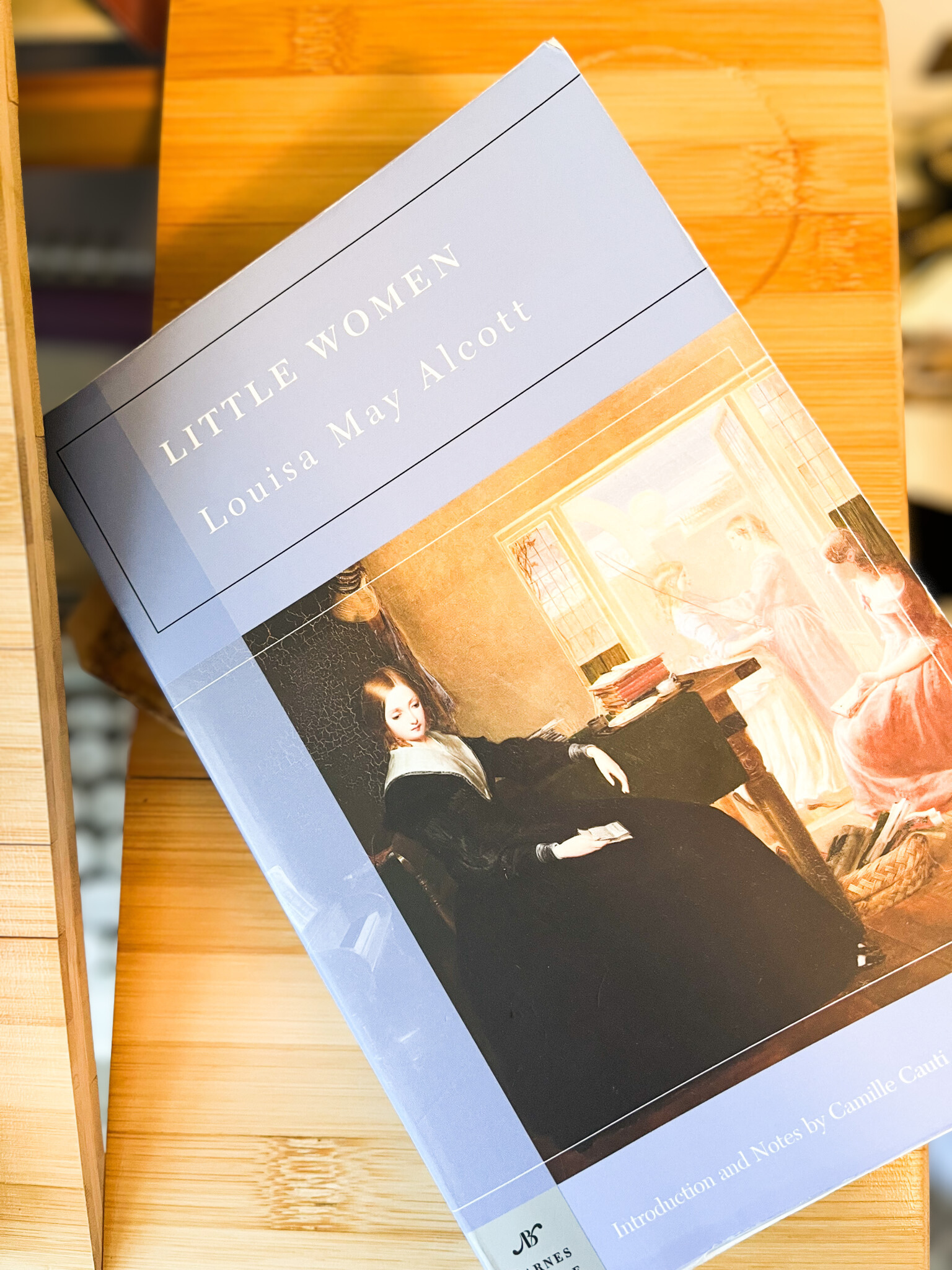
Let’s examine these classic female characters: Jo and Meg from Little Women.
Jo is a tom-boy. However, she shows a gentle side within the novel, towards her mother and sisters. Jo might be a little insecure about herself and her pursuits, but holds a strong conviction. Jo is initially resistant to her feminine side, but as life takes a toll on her, she becomes more nuanced.
This March sister must be strong for her family, to bring economic and emotional stability through their loss. She doesn’t ever yearn for romance but still seeks to love and be loved. She believes in the power of true romantic connection— one that goes beyond infatuation. A romance found through shared intellectualism and philosophy. She seeks to build something that holds a deeper meaning because that’s how she sees life. Jo wants a romance to last a lifetime, which is why she pushes it away. She’s afraid of it.
Meg shows strength through tenderness. She seeks to love and build a family. But Meg learns that like anything in life, it’s not easy to build one. She shifts from youthful desire to a deeper understanding of love. Through those struggles she embodies true strength. To build a family is honorable.
Both of these women embody femininity in their own way, but one thing they don’t do is what’s being portrayed in the media today. What you may find in modern-day narrative suggests that strong women don’t value love or romance.
Meg shows us that building a family and romance is not easy. It takes courage, vulnerability, honesty, perseverance, and personal responsibility.
Writing a Female with Flaws
Female characters will have flaws. I know that in the mainstream media we witness a lot of women who seem perfect, or that they cannot be wrong. However, that couldn’t be further from the truth. Those women are domineering—physically and verbally abusive. If you want your reader to close your book then write characters like that.
Characters, no matter their gender, must be written with nuance. Examine people. We are all shades of light and dark. This is why readers connect with them, because they are too. Even the best of people have flaws and so is true of all the best characters.
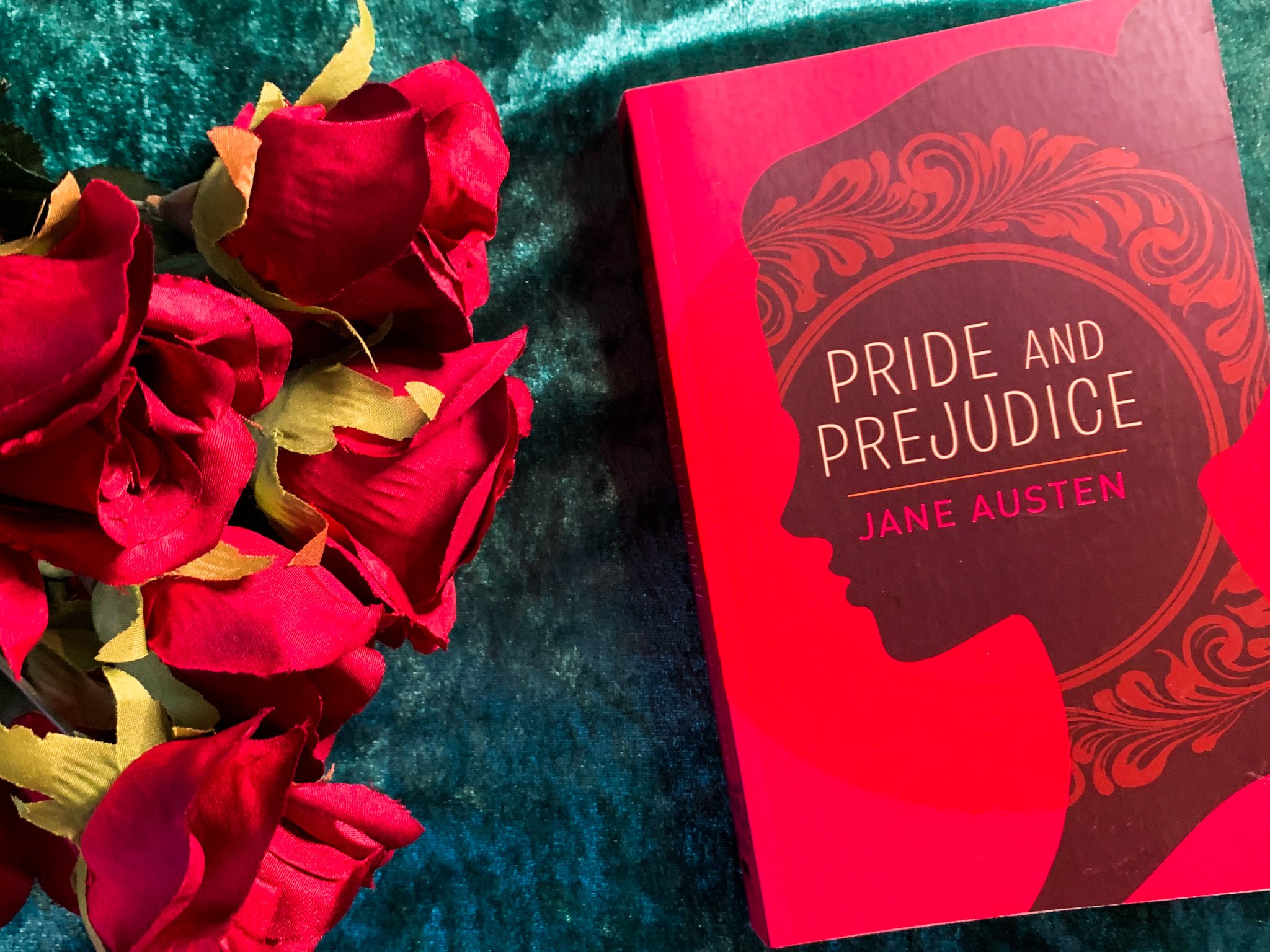
Let’s Examine Elizabeth Bennet from Jane Austen’s famous classic novel, Pride and Prejudice.
Elizabeth Bennett isn’t perfect. In fact, this entire novel is her journey and growth to overcome her pride and prejudices, just as much as Mr. Darcy.
Elizabeth embodies femininity through her wit and confidence. She’s never abrasive, instead her confidence is endearing and genuine. This character trait is what sticks out to Mr. Darcy, he loves that she speaks her mind. These two characters are kindred, and so much alike, that it’s exactly what gets in their way.
Show Femininity with Character Voice
There’s a female character that seems to have been forgotten in the recent decades.
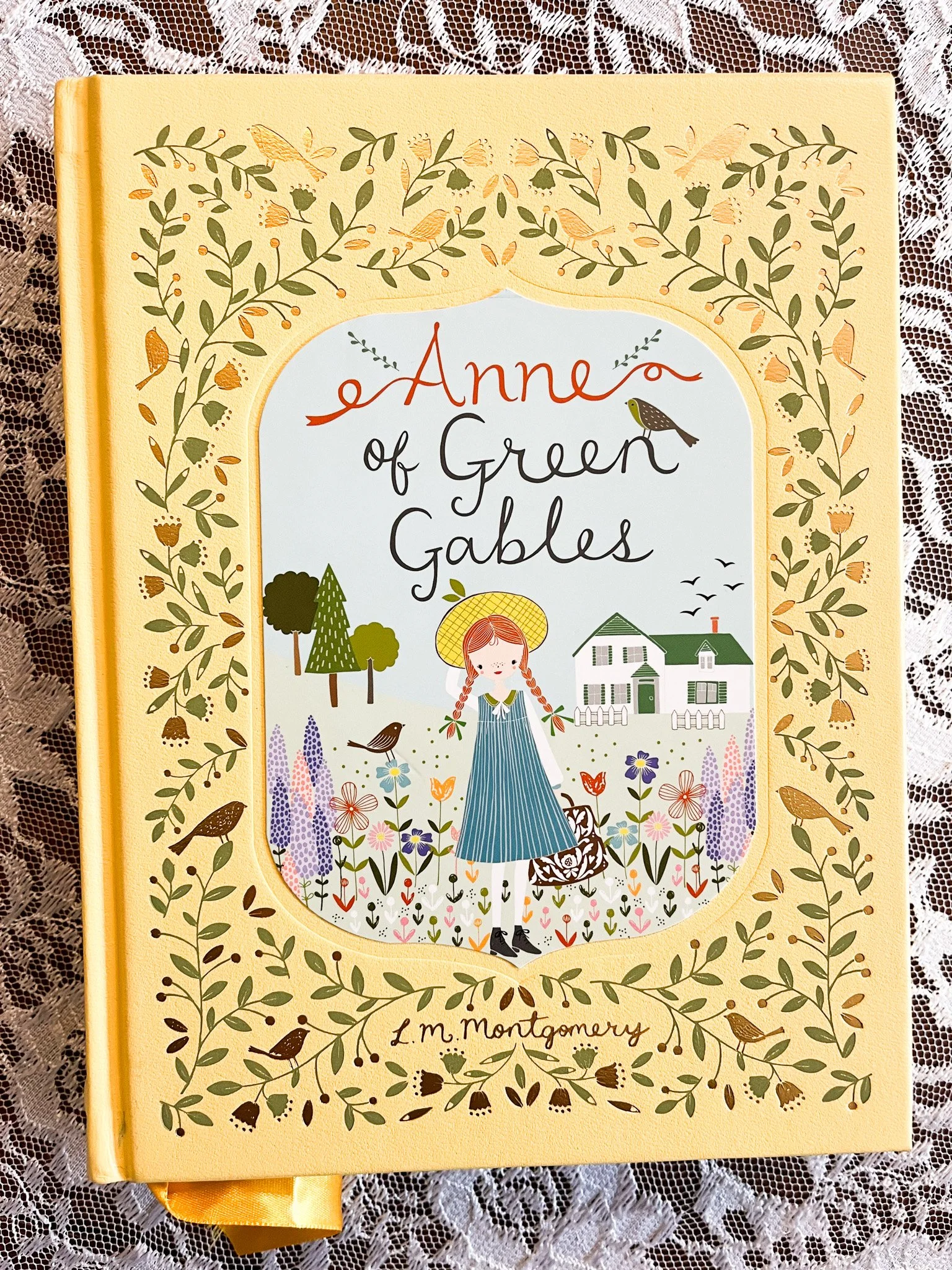
Let’s examine Anne from Anne of Green Gables.
Anne is a curious, vibrant, yet tender character. She feels big emotions yet never is limited by them. Anne embodies a feminine spirit because she seeks to live and love with a soulful wonder.
What I admire about Anne is that she’s confident within her own skin, in spite of her isolated upbringing. Anne chooses to look at the world with infinite possibility and wonder. The glass is always half full. She reminds us to be grateful for life’s many simple moments.
Because of her belief about the world, Anne is always true to herself. She doesn't conform, or take on an ideal that she doesn’t believe. Anne’s backstory is one that is quite tragic, but her grace and emotional depth are what make her a strong character. She never allows her past to define her future. Her growth is admirable as a truly strong female character.
If you were to think of a random scenario—imagine her reaction—you’d know exactly what she would say. Why? Because of her strong character voice. The author knew this character so well that we can distinguish her reactions situationally.
Character voice is an essential component to build when writing a female character— or any character for that matter. The more you understand your character, the easier this is to build.
So get to know them a bit better, how deep does their pain go? How do they react to it within themselves and towards the world? What brings them meaning in life and why? The more you understand your character, through the exploration of your theme, the stronger your character will be. And thus, the more meaningful a story you will share with the world.

Show Femininity through Subtext
Introverted women are still feminine. Introversion doesn’t make a woman less feminine, just like extroversion doesn’t make your female character feminine only through sex appeal. I implore you to dig deeper than those clichés.
The best way to show femininity is through your characters actions: How do they react to the world? Femininity comes from an internal warmth and nurturing spirit. It’s intuitive. Your character can show femininity through sincerity and tenderness.
For example, if your protagonist is initially cold-hearted, she can deepen through warmth and compassion. The best storytelling is shown through subtle actions. Most, if not all people speak within subtext. What is your character saying without actually saying it? This reveals them more than words.
Show femininity subtly. This will come off more akin to a striking feeling that we can’t quite put our finger on, but can always feel it. As the French say, je ne sais quoi. Write your female character from that feeling— pull ideas from the theme of your story and your female’s flaws to deepen this meaning. Those key elements will help you write her clearly and with intention.
Story example: Adrian from Rocky (Movie example!)
Adrian is extremely shy. At times she may seem a bit scared of Rocky because he’s overly extroverted. He expresses the first thing that comes to his mind. Adrian secretly loves that about him because deep inside she wishes she were that free within herself. Adrian is a strong female character because despite her fears, she still chooses vulnerability with Rocky. This is strength.
A strong female character is one who overcomes her deepest and darkest shortcomings. Therefore, she is a strong character because she becomes who she truly is.
Now, let us know some of your favorite female characters in the comments below.
Happy Writing!

What to Read Next:
For more character creation blog posts…